Common Mistakes When Storing Wheat Berries and Flour at Home
A practical home storage guide to wheat berries and flour — moisture control, airtight containers, pest...

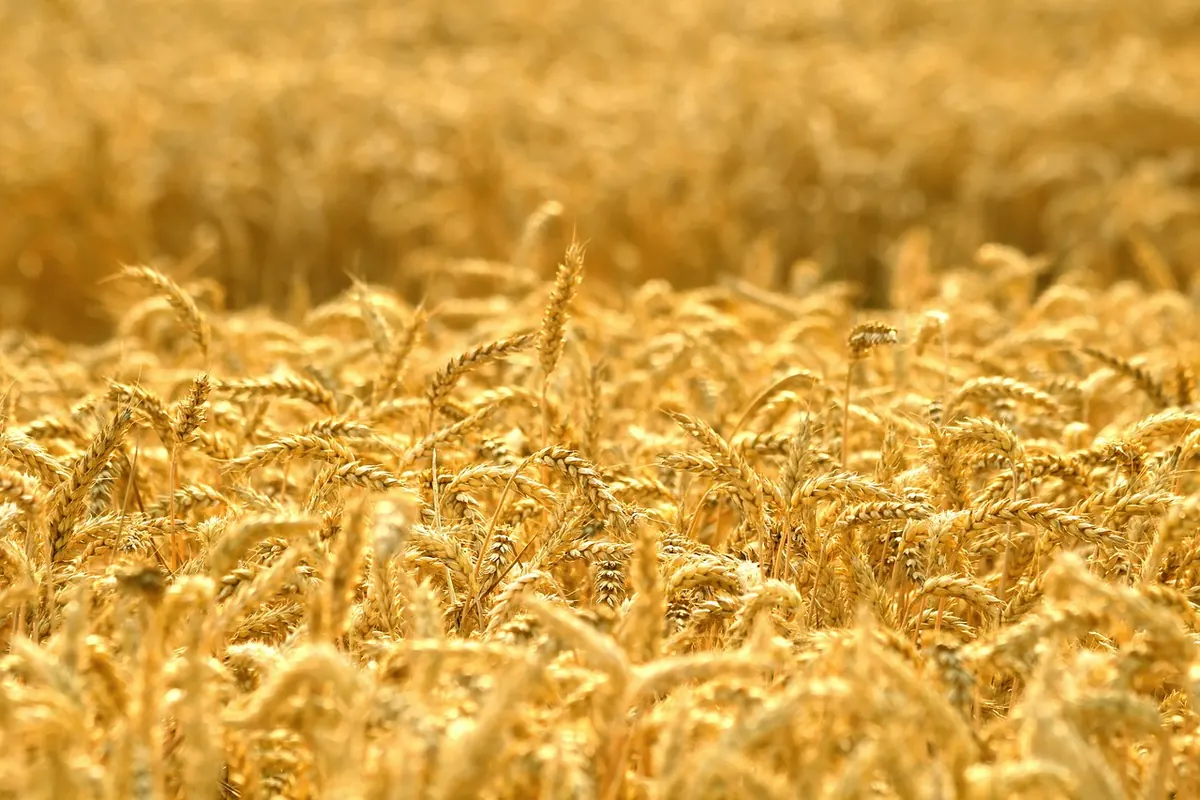
A bag of semolina and a bag of bread flour look like cousins, and in a sense they are. Both come from wheat, both become dough, both end up on the same table. Pour them into your palm side by side, though, and the split is immediate: one is coarse and golden with a faintly sandy feel; the other is fine, off-white, almost weightless. That difference in the hand is a difference in the field, in the kernel, and in what each wheat can be coaxed into becoming. Durum and common bread wheat are two distinct plants with two distinct kinds of gluten, and once you know what separates them, your pasta and your loaves stop being interchangeable projects.
Durum is Triticum turgidum subsp. durum, a tetraploid wheat with four sets of chromosomes. It descends from the emmer wheats of the Near East and remains the hardest of the commercially milled grains — the kernel is long, translucent amber, and its bran is thick enough to fight a millstone. Common bread wheat, Triticum aestivum, is hexaploid, with six sets of chromosomes, and it is the wheat that covers most of the world's fields: hard red winter, hard red spring, soft white, and dozens of local types within them.
The milling habit follows the botany. Durum is usually milled into semolina, a coarse, granular meal of endosperm, or re-milled into semola rimacinata, which is finer but still gritty between the fingers. Bread wheat is milled into flour, separated by hardness and protein level. Nothing stops you from baking with durum or making pasta with bread flour, but each grain has a career it does exceptionally well.
Shoppers tend to read the protein percentage on the label and stop there. It is a useful starting point and a poor conclusion. The two wheats overlap considerably in total protein, so a durum and a strong bread flour can sit within a point of each other and still handle like different materials. What matters is how those proteins are built and how they behave when water and work are added.
Both grains carry gluten, the elastic network formed when glutenin and gliadin meet water. In durum, the balance leans toward strong, tenacious gluten that resists stretching. That tenacity is exactly what you want when a sheet of pasta has to hold its shape through boiling without turning to porridge, or when a die pushes dough through a bronze plate at pressure. In bread wheat, the balance is more even: glutenin gives elasticity, gliadin gives extensibility, and together they trap gas and let a loaf rise with a good spring in the oven.
Hydration tells the same story in the bowl. Semolina drinks water slowly and feels tight and stubborn at first, then softens as it rests. Give it twenty minutes and it will be a different dough. Push a durum dough as wet and slack as a ciabatta and it will fight you the whole way.
Semolina does not need to be convinced. It needs to be given time.
Durum carries more carotenoid pigments, lutein among them, and those pigments survive milling in enough quantity to tint semolina a warm amber. Bread wheat flour, by comparison, is cream to near-white. This is why a strand of good dried pasta looks the way it does. The yellow is the wheat, not an egg — egg pasta is deeper, more orange, and richer in flavor. It is also why very long cooking or a spell in bright light dulls fresh pasta; the color is real, but it is not permanent.
Color is a decent clue in the shop, but not proof. Some industrial pasta is deliberately pale because it was made from lower-grade semolina or blended with common wheat, and some durum flour is sifted so finely that its gold reads almost white.
Pasta is the obvious answer, and it earns the reputation. Durum semolina makes a dough that extrudes cleanly, holds the ridges of a bronze die, and keeps a firm bite. It also leaks less starch into the water, which is why the sauce clings instead of sliding off. Beyond pasta, durum is the grain behind couscous, bulgur, fregola and taralli, and behind the great southern Italian breads such as Pane di Altamura, where semolina is re-milled and leavened slowly to make a dense, golden, deeply flavored loaf.
Everything that depends on volume: baguettes, sandwich loaves, airy sourdough, brioche. Soft wheats with lower protein are the right choice for cakes, biscuits and pastry, where you want tenderness rather than chew. If you bake durum bread at home, expect a closer crumb and a heavier loaf, and plan for a long fermentation and generous water. Many bakers blend it — a fifth to a third of the total flour — for color and a nutty edge without losing lift.
Read the label for the species, not the marketing. In Italy, semola di grano duro means durum semolina; farina di grano tenero means soft common wheat, however rustic the packaging looks. "100% durum" is worth looking for on pasta, and protein figures are worth comparing only between products of the same type. For whole grains, buy in quantities you will use within a few months and store them airtight, cool and dark; the oils in the germ go stale quietly.
For fresh pasta at home, a semolina-and-water dough is the baseline — silky, workable, and forgiving once rested. A spoonful of bread flour in the mix adds elasticity if you are rolling by hand or shaping filled pasta. For bread, start by replacing a quarter of your usual flour with durum and adding a little extra water; adjust from there rather than chasing a recipe exactly.
One note worth stating plainly: both wheats contain gluten. Durum is not a gluten-free grain, and anyone with celiac disease or a diagnosed gluten-related condition should follow the advice of their doctor or dietitian rather than swapping one wheat for another.
Learn the two grains as separate tools and the kitchen gets simpler. Semolina for structure, color and bite. Bread wheat for lift, tenderness and crumb. Use each where it is strongest, and blend when you want both.
Photo: katerinavulcova / Pixabay
A practical home storage guide to wheat berries and flour — moisture control, airtight containers, pest...
A practical look at how stone mills grind grain, why the flour comes out in so many particle sizes, and...
A same-day whole wheat focaccia with olive oil and rosemary — 80% hydration, folded rather than kneaded,...